A religious ceremony invitation carries responsibility beyond logistics. It invites someone into a sacred moment, whether a baptism, bar or bat mitzvah, confirmation, first communion, Quran recitation, or another rite of passage rooted in faith. The invitation should honor that significance from the first line to the last detail.
Getting the wording and design right requires understanding the specific tradition, the formality expectations of the community, and the personal style of the family. Here is how to navigate all of that.
Baptism and Christening Invitations
Baptism invitations typically come from the parents, who are inviting family and close friends to witness the sacrament. The tone is warm, reverent, and celebratory. The invitation should name the child, the denomination or church, the date, time, venue, and reception details if a party follows.
Classic baptism wording: "[Names] joyfully invite you to the baptism of their daughter [Name] at [Church Name] on [Day], [Date] at [Time]. A reception will follow at [Location]. Kindly RSVP by [Date]."
You can open with a relevant scripture verse: "Let the little children come to me. (Mark 10:14)" A verse appropriate to the tradition adds depth without being heavy-handed.
Bar and Bat Mitzvah Invitations
Bar and bat mitzvah invitations mark one of the most significant coming-of-age milestones in Jewish tradition. They tend toward formal language and often include a Hebrew phrase or blessing. The invitation announces both the religious ceremony at the synagogue and the celebration that follows.
Formal wording: "Mr. and Mrs. [Name] request the honor of your presence at the bar mitzvah of their son [Name] on [Day], [Date] at [Time]. [Synagogue Name], [Address]. A dinner reception will follow. Kindly respond by [Date]."
Many families include the parasha (Torah portion) the child will read. This adds religious context and makes the invitation meaningful to guests who understand the tradition's significance.
Bar and Bat Mitzvah Reception Invitations
When the synagogue ceremony is limited to family and the reception is open to a broader guest list, you send two separate invitations: a ceremony card for the service and a reception card for the party. Address them to different groups of people based on the capacity of each venue.
First Communion and Confirmation Invitations
First communion invitations are often sent by the parents and are warm and celebratory. Confirmation invitations may come from the confirmand themselves, especially for older teens. Both should name the ceremony type, the church, and the date and time.
First communion wording: "[Parents' Names] joyfully invite you to celebrate the First Holy Communion of [Name] on [Date] at [Time] at [Church Name], [Address]. A family luncheon follows at [Location]."
Confirmation wording: "By the grace of God, [Name] will receive the Sacrament of Confirmation on [Date] at [Time] at [Church Name]. Please join [their/his/her] family for a celebration dinner to follow."
Islamic Ceremony Invitations: Aqiqah and Quran Completion
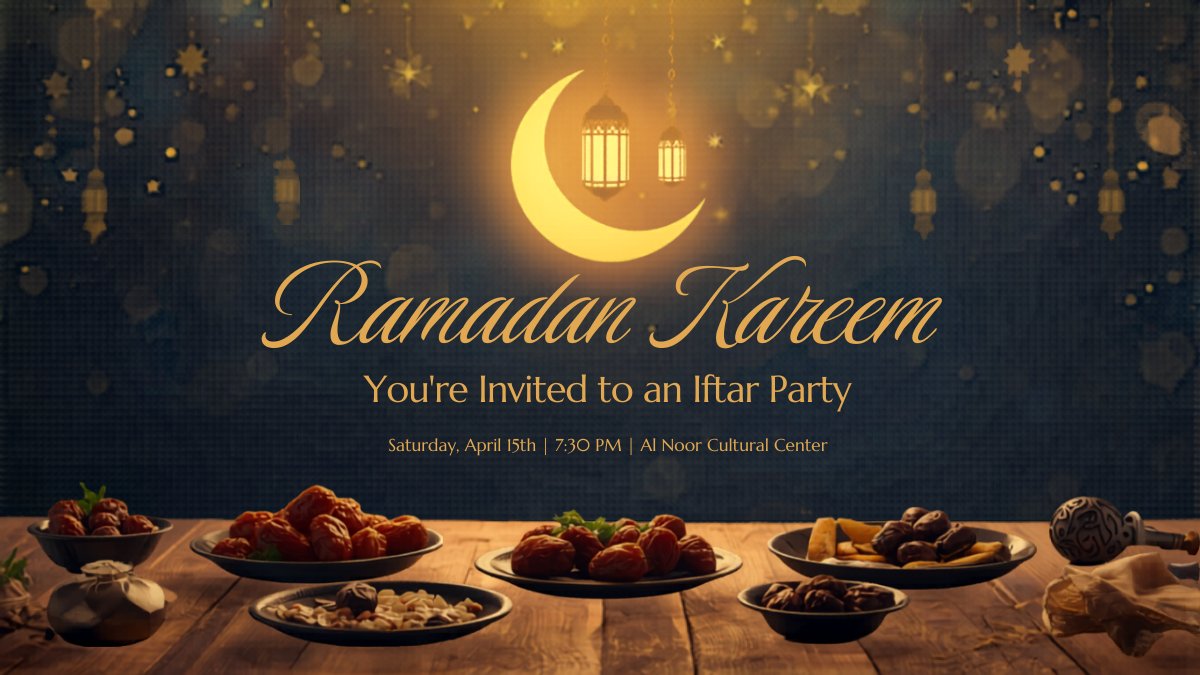
The aqiqah is the Islamic birth celebration typically held seven days after a child is born. Quran completion (Khatam al-Quran) celebrations mark a significant educational and spiritual achievement. Both call for invitations that open with "Bismillah ir-Rahman ir-Raheem" and reflect the gratitude and joy of the occasion.
Aqiqah wording: "Bismillah. With grateful hearts, [Family Name] invites you to join in celebrating the aqiqah of [Baby Name] on [Date] at [Time]. [Venue and Address]. RSVP by [Date]."
Design Principles for Religious Ceremony Invitations
Religious ceremony invitations should be dignified without being cold. Choose clean typography, restrained color palettes, and design elements that reflect the tradition appropriately.
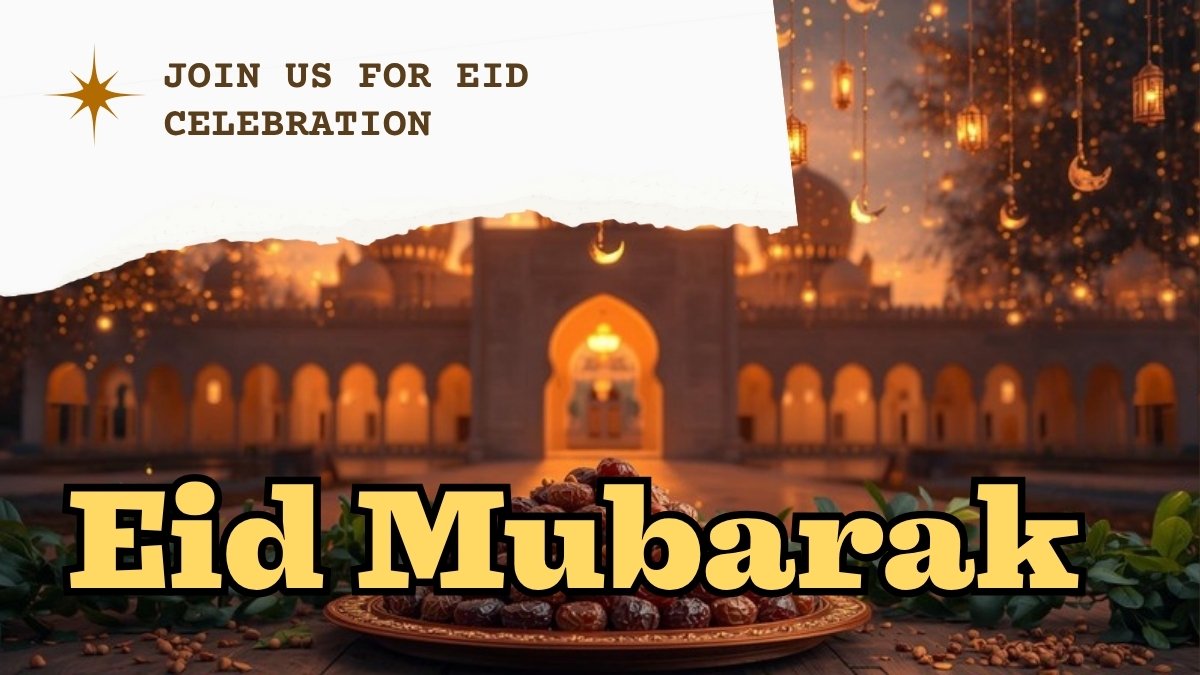
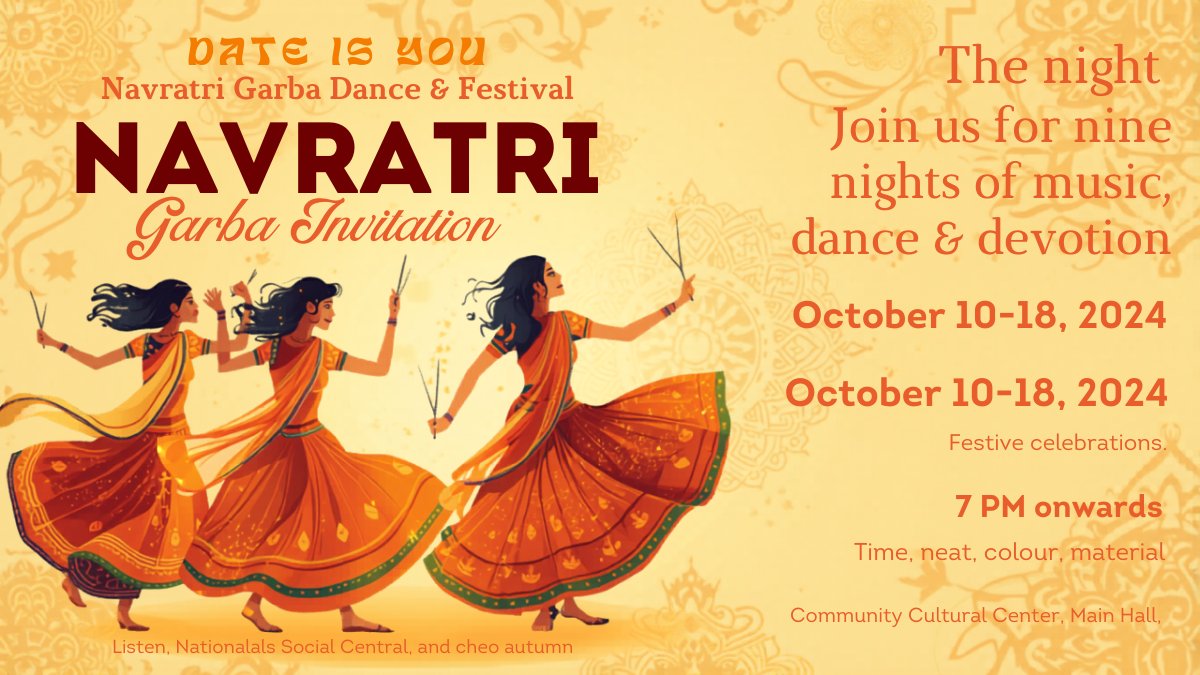
For Christian ceremonies: crosses, doves, lilies, and soft white or ivory palettes. For Jewish ceremonies: Star of David motifs, Hebrew lettering, navy and gold. For Islamic ceremonies: geometric Islamic patterns, crescent and star, emerald green or royal blue and gold. For Hindu ceremonies: lotus flowers, paisley, warm jewel tones.
Avoid overly decorative designs that compete with the spiritual message. Elegance and simplicity serve religious ceremony invitations better than elaborate ornamentation.
Interfaith Ceremony Invitations
Interfaith ceremonies require care in the invitation wording. Avoid language that implicitly excludes guests of other faiths. Focus on the family and the celebration rather than specific doctrinal language that may not resonate with guests from different backgrounds.
"[Names] invite you to join them in celebrating the sacred union of [Name] and [Name] in a ceremony honoring both of their faith traditions on [Date] at [Time]. [Venue]." This wording includes rather than excludes.
Digital Religious Ceremony Invitations
Digital invitations work well for religious celebrations, particularly for communities spread across multiple cities. They allow for beautiful designs incorporating faith symbols and can deliver instantly to extended family networks.
Create your free invitation on Invitofy and design a religious ceremony invitation with the reverence and beauty the occasion deserves.
According to Wikipedia, religious ceremonies mark the most significant transitions in human life across virtually every cultural tradition on earth. The invitation you send acknowledges the weight of what you are celebrating.