The henna ceremony invitation carries a unique responsibility. It signals a deeply cultural event to guests who may come from different backgrounds. Whether your henna ceremony is rooted in South Asian, Middle Eastern, North African, or another tradition, the invitation sets the stage for everything that follows.
Henna ceremonies go by many names: mehndi, laylat al-henna, henna night, or simply the henna party. The core spirit is consistent across cultures: it is a joyful pre-wedding gathering centered on henna application, community, and celebration.
Cultural Variations in Henna Ceremony Invitations
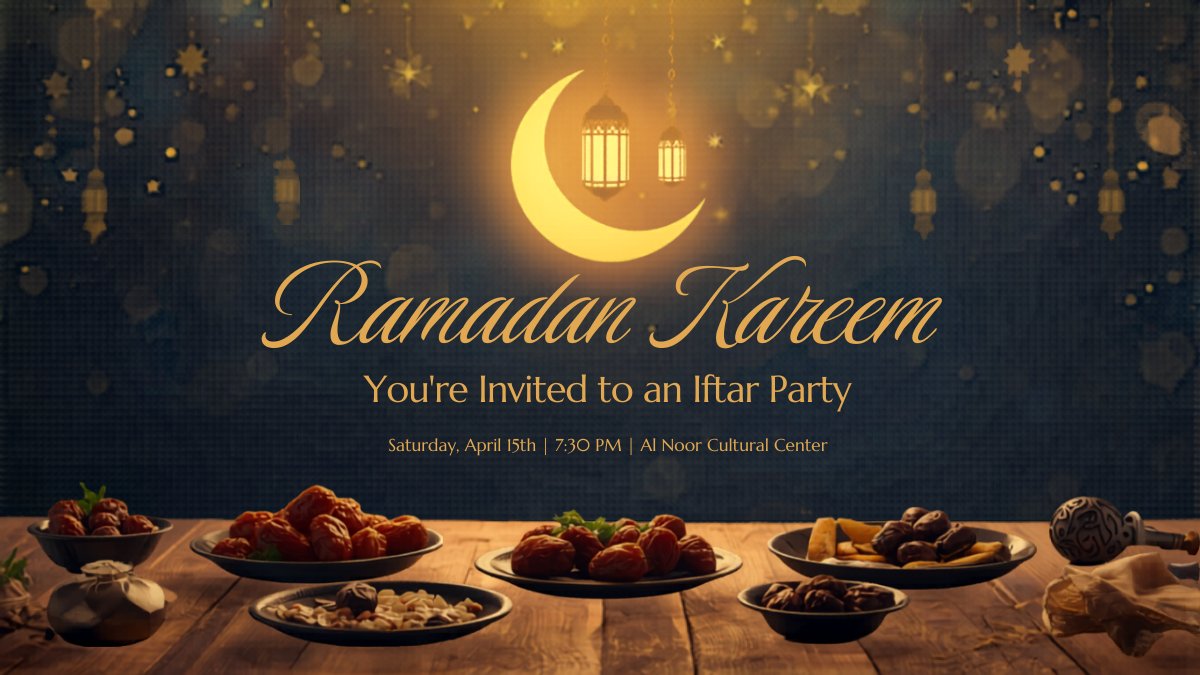
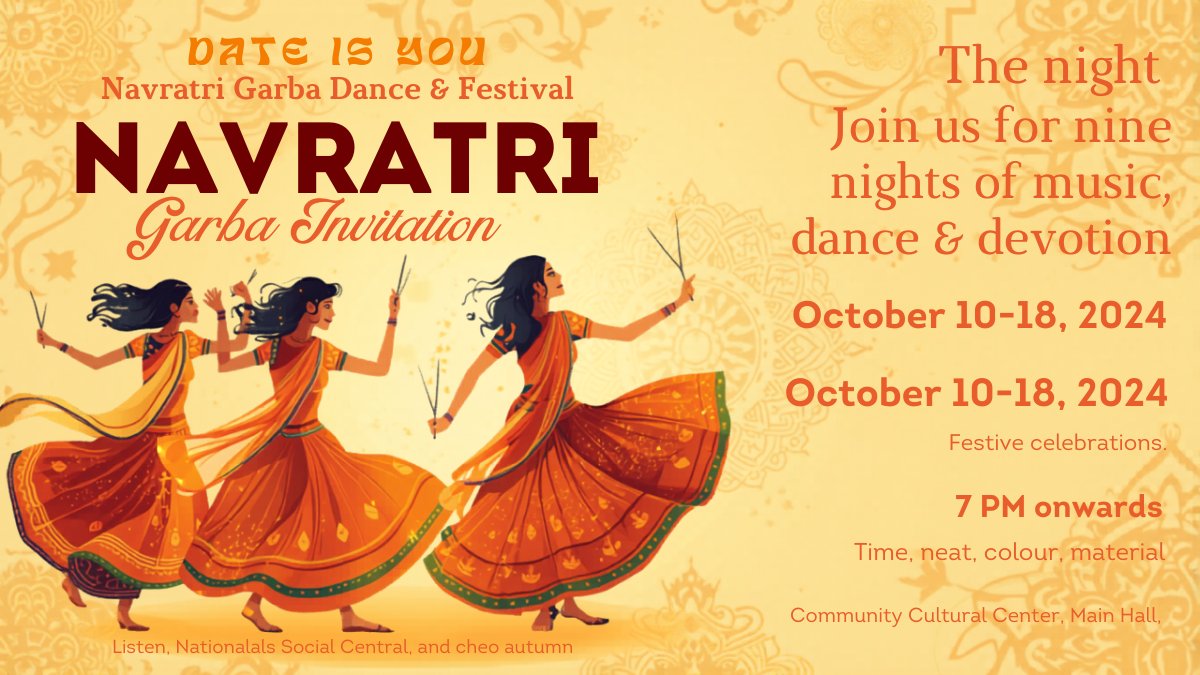
Understanding your cultural context shapes your invitation choices. South Asian mehndi invitations tend to feature vibrant colors, Urdu or Hindi phrases, and musical references. Middle Eastern laylat al-henna invitations often use Arabic script, more muted jewel tones, and a more formal tone. North African henna traditions vary by region and family.
If your event brings together guests from multiple backgrounds, your invitation can gently orient people. A brief note explaining "this is a traditional henna celebration" helps guests from outside the tradition feel prepared and welcome.
What to Include in a Henna Ceremony Invitation
The non-negotiable elements: the name of the person being celebrated, the event type, the date and time, the Veranstaltungsort and full address, dress code guidance, and RSVP details.
Optional additions that elevate the invitation: a relevant phrase in your heritage language, a note about the henna artist and the schedule, guidance on attire, and information about food and music.
Dress Code Guidance
Henna ceremonies often have strong color traditions. In South Asian contexts, red and green are auspicious. In some Middle Eastern traditions, yellow is the signature color of the henna night. Tell your guests specifically what to wear so they arrive feeling part of the celebration.
A simple note works: "Please wear bright traditional attire. Yellow and green are particularly welcomed." Your guests will appreciate the clarity.
Wording Examples for Different Tones
Formal and traditional: "[Family Name] joyfully invites you to the henna ceremony honoring [Name] on the eve of her wedding. Please join us on [Day], [Date] at [Time] at [Veranstaltungsort]. Traditional dress is encouraged. RSVP by [Date]."
Warm and personal: "The hands that will hold a bouquet on Saturday are getting adorned tonight. Please join us for [Name]'s henna ceremony on [Date] at [Time]. [Veranstaltungsort]. Come dressed in your brightest colors and ready to celebrate."
Taglines and Opening Lines
A strong opening line draws the reader in immediately. Some ideas: "Before the ring, there is henna." "Color her hands before you color the dance floor." "Tradition, beauty, and celebration." Keep it short and specific to the occasion.
Design Directions for Henna Invitations
Henna pattern borders are the most recognizable design element. Intricate paisleys, mandalas, and floral vines are all appropriate. You can find beautiful henna-inspired digital invitation templates that handle this aesthetic beautifully without requiring a professional designer.
Color choices signal the ceremony's spirit. Warm saffron and gold suggest South Asian tradition. Deep burgundy and silver lean more formal. Dusty rose and sage offer a modern interpretation that bridges cultures.
Digital Henna Invitations: Why They Work
Digital henna ceremony invitations spread through family WhatsApp groups faster than any physical card. Extended family members across multiple countries receive the invitation instantly. That reach is valuable for diaspora families whose celebrations cross continents.
Create your free invitation on Feierpost and your henna ceremony invitation can include animated henna pattern reveals, embedded music previews, countdown timers, and a one-click RSVP.
According to Smithsonian Magazine, henna application has a history spanning over 5,000 years across North Africa, the Middle East, and South Asia. Honoring this tradition through a beautifully designed invitation acknowledges the depth of what you are celebrating.
Timing and Distribution
Send henna ceremony invitations 2 to 4 weeks before the event. For out-of-town or international guests, 4 to 6 weeks gives enough travel planning time. Close local family often receives a personal call or WhatsApp message alongside the formal invitation.
If you are coordinating multiple pre-wedding events, send all invitations together in one suite or message. This way guests can plan the whole week at once without repeated follow-up.
Guest Management Considerations
Henna ceremonies can grow quickly in South Asian and Middle Eastern communities where hospitality norms encourage broad inclusion. Be realistic about your Veranstaltungsort capacity when you design your guest list.
For large events, include the address of nearby parking or public transit on a details card. If you arrange shuttles from a central meeting point, mention that clearly in the invitation. Logistics on the day reflect the care you put into planning.
Also see the walima reception invitation guide for coordinating the full wedding celebration suite.